
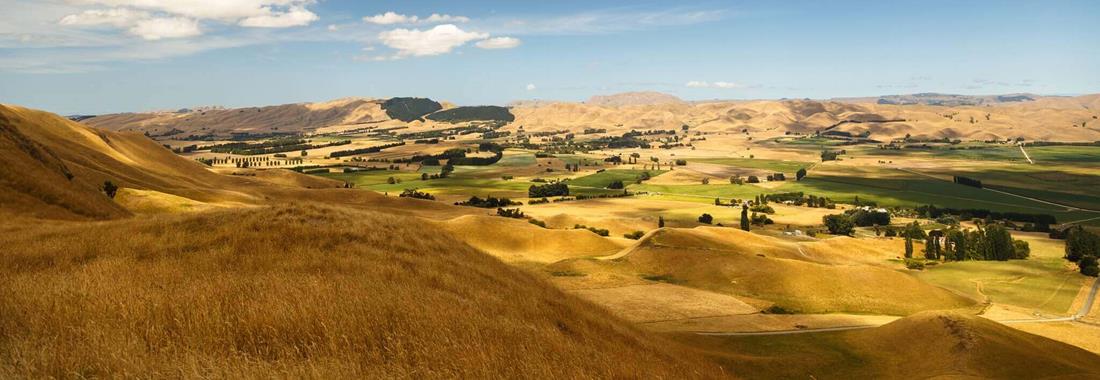
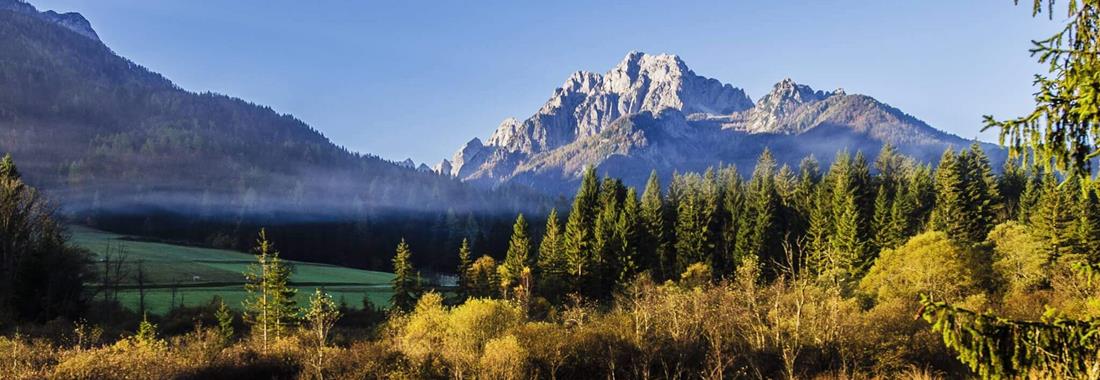
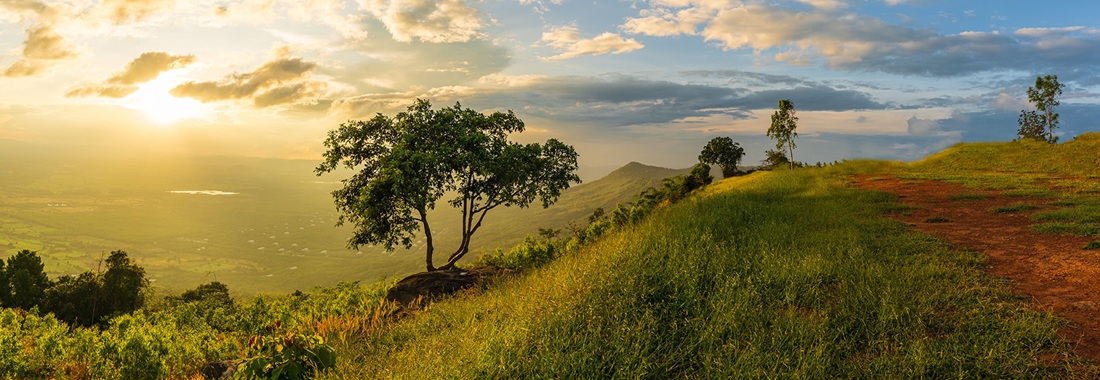
Makariv Forest Carbon Project (MFCP) – Preserving forest integrity in the Makariv region
The project promotes and maintains forest cover and ecosystem functions in areas where local activities (e.g., logging, mineral extraction, deforestation, etc.) increase pressure on land and wildlife. Promoting tree growth in these areas contributes to carbon sequestration and enhances biodiversity in the region. Project achievements include a CO2 reduction of 4,412,823 tCO2e between 2022 and 2051, the protection of rare species, biodiversity and geological features in their natural state, the promotion of sustainable, environmentally friendly recreation, and the protection of important animal species.
PROJECT MAKARIV
23,678.3 hectares 4,412,823 t CO2 Duration: 2022-2051
Project developer
T3C Limited
Standard
ISO-14064-2
Auditor
Testing, Inspection and Certification LLC (Former TMS)
TÜV AUSTRIA Cooperation Partner
Report
Climate protection forest Makariv
CLIMATE SAVE PROJECT CSP - 002 MAKARIV
Why Forest?
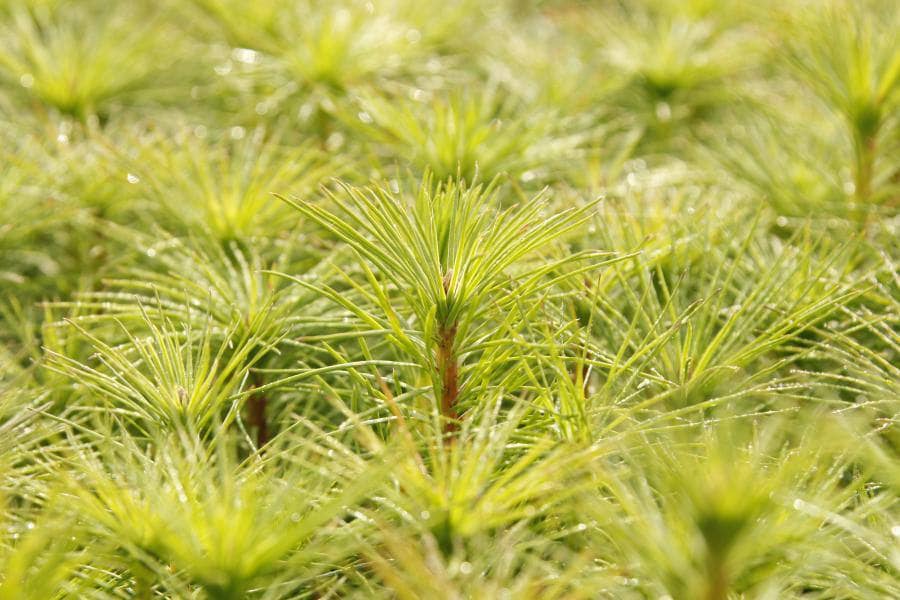
The forest, due to the natural process of photosynthesis, during which plants consume carbon dioxide, is one of the largest stores of carbon necessary for growth, thus providing natural absorption of carbon dioxide.
CO2
Carbon dioxide already sequestered and annual anthropogenic greenhouse gas emissions absorbed by forests is included in the calculation of the contribution to reducing global emissions.
Paris Agreement
Thus, Article 5 of the Paris Agreement states that parties to the agreement “should take action to protect and improve the quality […] of greenhouse gas sinks and reservoirs […] including forests.” A special mention of forests as a factor in the absorption of greenhouse gases provides grounds for putting forward various initiatives to reduce emissions using forests.

Contribution to the UN Sustainable Development Goals (SDGs)
During the 30-year project duration, an average of 147.094 tons of CO2 per year and a total of approximately 4.412.823 tons of CO2e will be saved.
The Carbon Forest Project promotes sustainable forest management and ensures that the land is restored and preserved as a protected forest for the duration of the project.
 |  |  |  |  |  |